
The Mac Mini is having a moment thanks to the OpenClaw AI agent. And, in a new development, AI enthusiasts in America can now expect a made-in-the-USA version of Apple’s small computer.
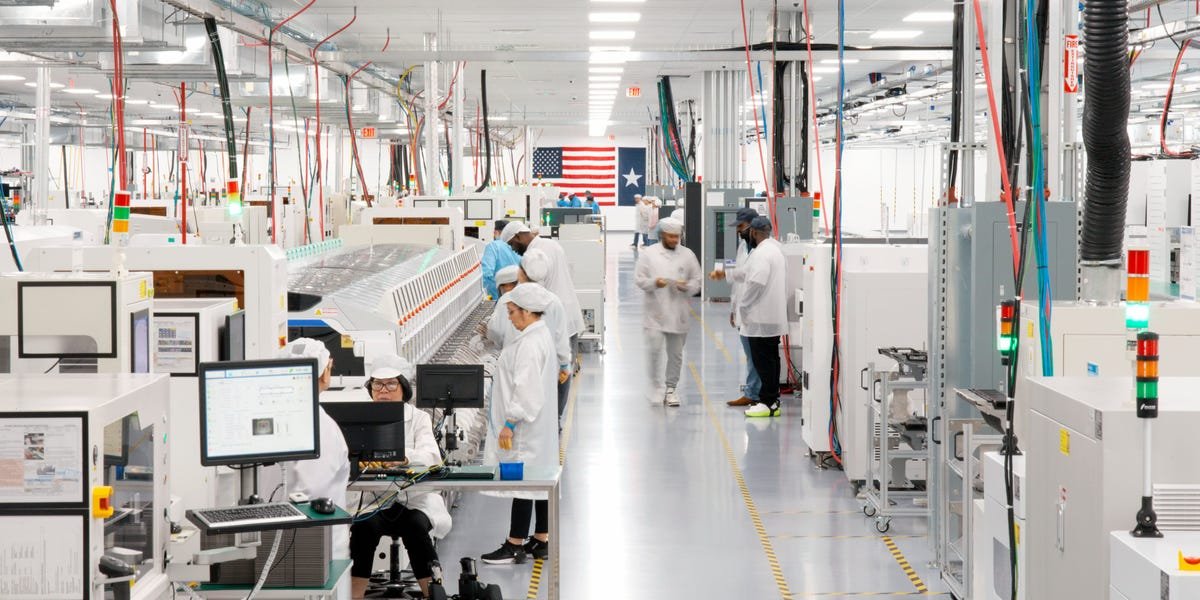
The tech giant announced Tuesday that it would be significantly expanding its factory operations to bring some production of the Mac Mini to the US for the first time. Beginning later this year, Mac Mini units will be produced at a new factory at Apple’s existing Houston manufacturing site to help fulfill US orders.
The company said it will also expand advanced its AI server manufacturing at the Houston factory, an effort that it expects to create thousands of job. It’s in line with Apple’s previous commitment to invest $600 billion into its US facilities and create 20,000 jobs over the next four years.
“Apple is deeply committed to the future of American manufacturing, and we’re proud to significantly expand our footprint in Houston with the production of Mac Mini starting later this year,” said Apple CEO Tim Cook.
There’s been some hype around the Mac Mini in 2026, as people seek to operate OpenClaw, an open-source autonomous AI agent. The buzzy AI project has renewed interest in the Mac Mini. It’s currently produced in Asia, with many models being listed as Vietnam-made. Overseas production of the computer will continue.
Apple’s 20,000-square-foot advanced manufacturing center is under construction in Houston, and it will be a site where students, supplier employees, and American businesses can receive hands-on training in the company’s manufacturing techniques.
In its announcement, Apple shouted out several milestones its hit since its $600 billion pledge, including sourcing more that 20 billion US-made chips across 12 states, opening its Apple Manufacturing Academy in Detroit, and being on track to purchase more than 100 million advanced chips produced by Taiwan Semiconductor Manufacturing Company at its Arizona facility.
The Mac Mini announcement is the latest example of Apple leaning into made-in-the-USA messaging and efforts, as Cook navigates a political balancing act in his relationship with President Donald Trump. As a consumer electronics company that sources much of production overseas, Trump’s trade tariffs have cost Apple billions in costs in recent quarters. The tech giant has made tweaks to its supply chain, shifting much of the production of US-bound iPhones to India, for example, as part of its efforts to mitigate the tariff impact.
