

Author
Ahmed Barakat

Author

Share


Christopher Harborne, a Thailand-based British businessman holding a 12% stake in Tether, made an undisclosed £5 million personal gift to Nigel Farage, a donation that has now drawn formal scrutiny from Parliamentary Standards Commissioner Daniel Greenberg.
The question this story forces is direct: does a stablecoin stakeholder’s political giving create compliance exposure for Tether itself, and what does that mean for USDT’s standing with regulators?
- Donation size: Harborne gave a £5 million undisclosed personal gift to Nigel Farage, on top of £12 million+ in total donations to Reform UK.
- Tether connection: Harborne holds a 12% stake in Tether, the issuer of USDT – the world’s largest stablecoin by market cap.
- Regulatory trigger: The Conservatives referred Farage to Parliamentary Standards Commissioner Daniel Greenberg; Labour accused him of breaking Commons declaration rules.
- Donation ban: The UK government imposed a moratorium on crypto donations to political parties in March 2025, following the Rycroft review’s warnings on foreign influence risk.
- Exemption claim: Reform UK classifies the £5 million as a “personal unconditional gift” exempt from declaration requirements – a classification that is now contested.
Discover: The best pre-launch token sales
Who Is Christopher Harborne and How Does Tether Factor In?
Harborne is not a peripheral figure in either crypto or UK politics. He built significant exposure to Tether early, accumulating a 12% stake that makes him one of the stablecoin issuer’s most consequential individual shareholders.
His political giving predates Reform UK, he backed multiple Brexit campaigns before directing over £12 million to Farage’s party, including a record-breaking £9 million single donation in late 2024, reported at the time as the largest from a living person to a UK political party.
The £5 million gift at the centre of current scrutiny was made before Farage announced his candidacy for the Clacton parliamentary seat in June 2024.
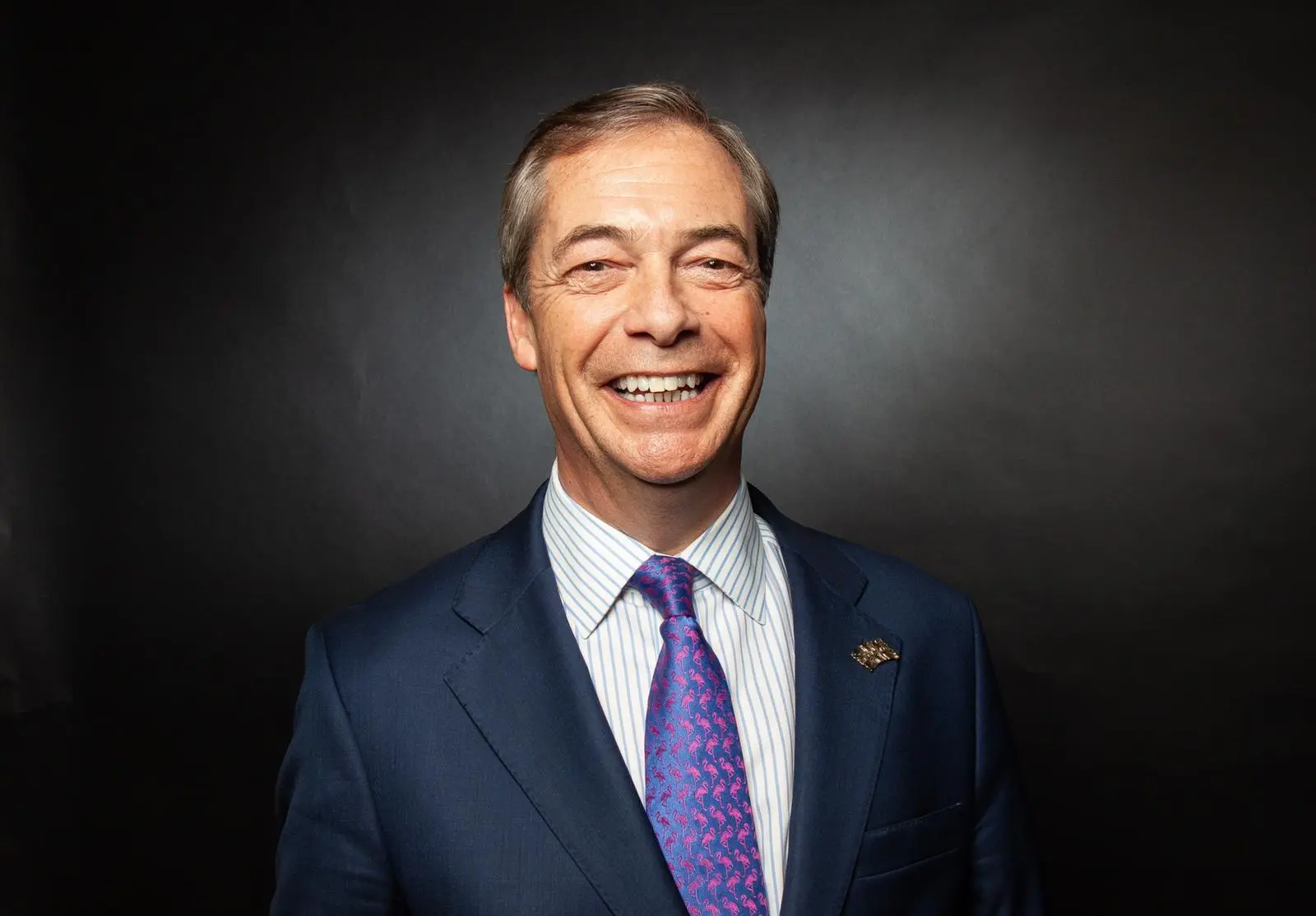
Farage confirmed the payment in a Daily Telegraph interview, describing it as intended to keep him “safe and secure for the rest of my life”, framing it as a personal security arrangement rather than political funding.
Reform UK classifies the gift as a personal unconditional donation, which under UK Electoral Commission rules falls outside mandatory declaration requirements. That classification is the contested ground.
UK political finance law requires that donations to political parties above £7,500 be declared to the Electoral Commission. Personal gifts to individuals, not parties, occupy a different legal category.
Whether the £5 million crossed from a personal gift into a political contribution is precisely what the Parliamentary Standards Commissioner is now examining.
Discover: The best crypto to diversify your portfolio with
