
Author
Ahmed Balaha

Author

Share

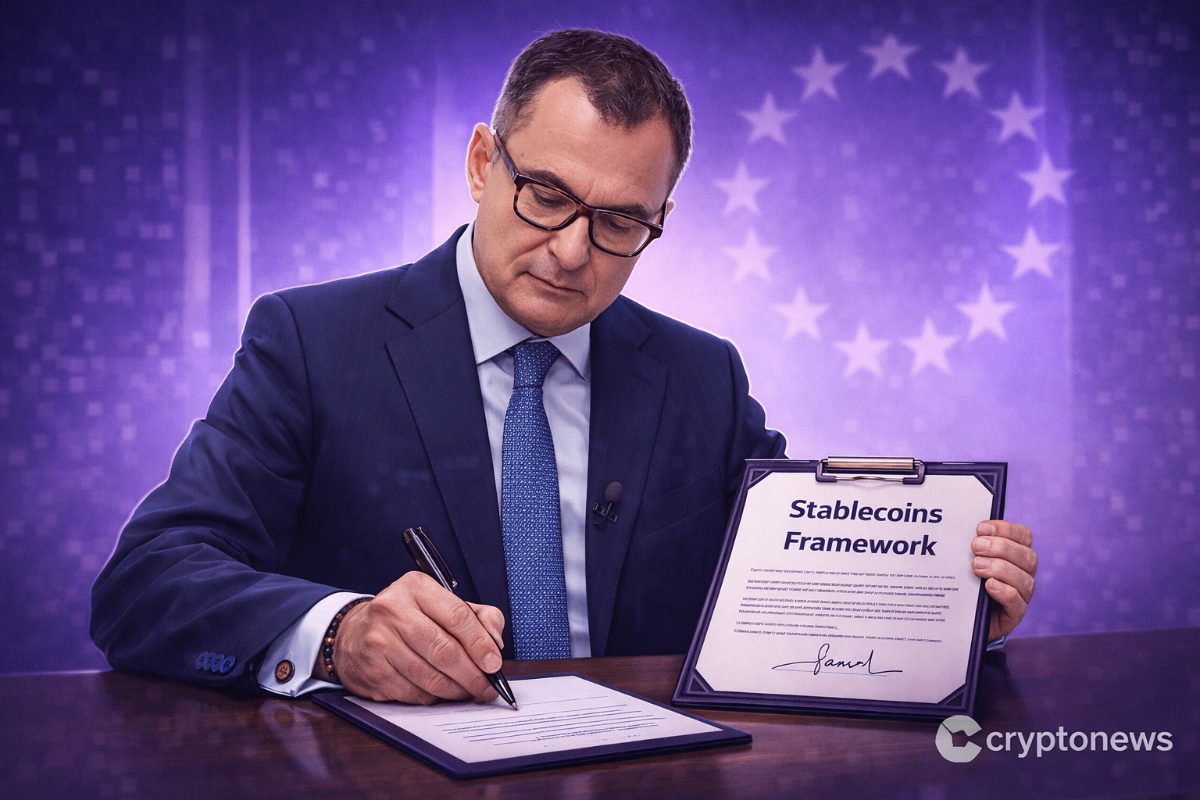
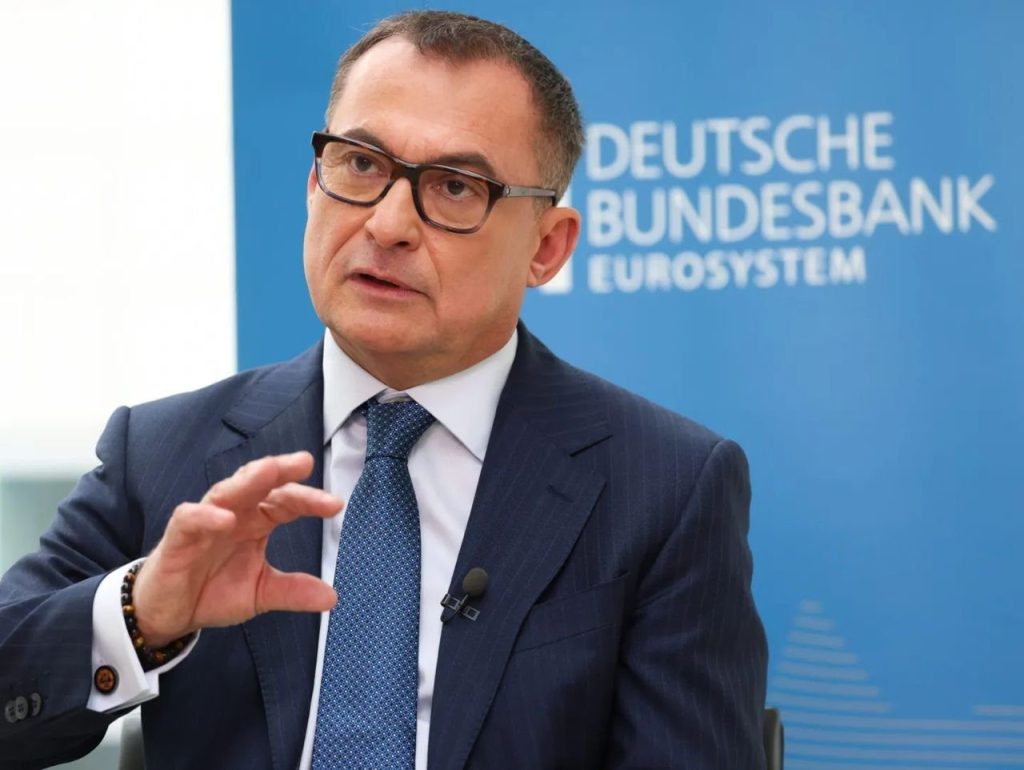
The head of the Germany Bundesbank is now openly backing euro based crypto stablecoins and even a retail CBDC. That is a big shift.
Joachim Nagel is not framing this as optional. He says Europe needs these tools to protect itself from the dominance of the US dollar.
The tone has changed from cautious to urgent. With the EU pushing ahead on MiCA rules, Europe clearly does not want to fall behind the US in shaping the future of digital money.
- Strategic Pivot: Bundesbank President Nagel backs private stablecoins to reduce cross-border payment costs and bolster EU financial independence.
- Monetary Sovereignty: The move aims to counter the dominance of USD-pegged assets, which currently control the majority of the stablecoin market.
- Wholesale Innovation: Nagel specifically highlighted wholesale CBDCs for enabling programmable payments between financial institutions.
Why Is The Germany Bundesbank Pushing for Crypto Adoption Now?
This is not just policy talk. It is about control of the digital payment rails. Speaking in Frankfurt, Nagel made it clear that Europe needs to secure its own settlement infrastructure before it falls further behind.
Dollar backed stablecoins already command more than $310 billion in market value. Euro based liquidity is tiny in comparison. That gap worries regulators. Without a serious alternative, Europe risks drifting into what some call digital dollarization.
And the clock is ticking. The US is moving quickly on stablecoin legislation, which could lock in dollar dominance even deeper. Nagel stance reflects a push to protect monetary sovereignty before the balance tilts too far.
The Blueprint: Programmable Money and Wholesale CBDCs
Nagel drew a clear line between retail tools and banking infrastructure. For institutions, he favors a wholesale CBDC that would let banks settle programmable payments directly in central bank money. That is something traditional systems simply cannot do today.
For the private sector, he is more open to stablecoins. He acknowledged that euro denominated stablecoins could offer cheap and efficient cross border payments for both individuals and businesses.
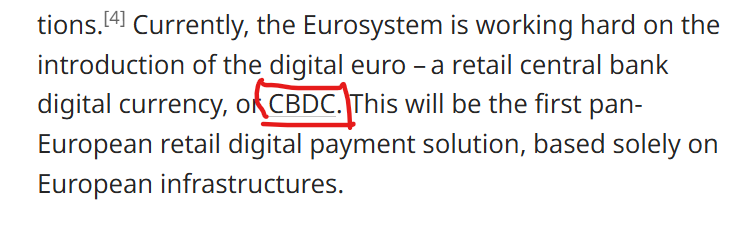
The tone is noticeably different from recent warnings about the risks of foreign stablecoins dominating the system. Now the focus is on building competitive euro based options instead of just sounding the alarm. It shows how quickly the global conversation around digital payments is evolving.
Can the Euro Compete with the Dollar?
The upside is huge if Europe actually follows through. S&P Global Ratings estimates euro pegged stablecoins could reach €570 billion by 2030 under normal adoption trends. That is not niche. That is systemic scale.
But regulation cuts both ways. MiCA gives Europe clearer rules than the US right now, yet strict capital requirements could slow innovation if applied too aggressively.
At the same time, political scrutiny around foreign digital assets is rising everywhere. The fight over stablecoin dominance will not just play out on chain. It will unfold in legislative chambers too.
The key is timing. Both the US and Europe are moving on final rules. A digital Euro is no longer theoretical. The only question left is how quickly it rolls out.
