
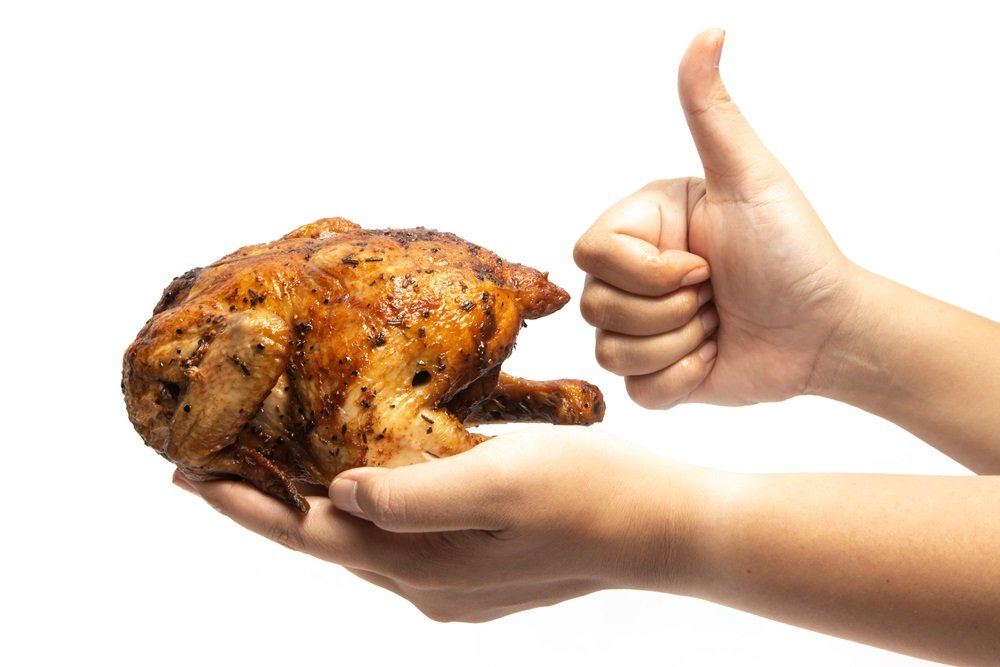
A few months ago, I was in a convenience store and was struck by a customer’s conversation. Surveying the rows of chips, candy bars, ice cream, and soft drinks, she said to her friend, “I can literally buy anything I want in here with my EBT card, except for hot things, like the coffee or the takeaway chicken.”
Low-income families and individuals can qualify for the Electronic Benefits Card (EBT), which is issued by the federal government and comes from the Supplemental Nutrition Assistance Program (SNAP), formerly known as the Federal Food Stamp Program. The EBT card looks and functions like a bank debit card, and monthly benefits for individuals average around $200. About 12.6% or about 1 in 8 Americans get benefits from an EBT card, according to USDA estimates. That’s about 42 million people.
Upon receiving their EBT card, SNAP recipients are eligible to buy any fresh or frozen food in grocery stores, but also are free to purchase candy, ice cream, soft drinks, donuts, chips, and even birthday cakes. If it’s a consumable food or drink item and non-alcoholic, it’s fine to put it in the grocery cart. Amazon even has EBT-eligible gift baskets overflowing with luscious chocolates, fine nuts, and toffees.

Yet these same families can’t use their EBT card to purchase a freshly roasted rotisserie chicken, hot soups, steamed vegetables, warm pasta, or other prepared foods that are available for convenient takeaway at grocery stores. All these items are banned since the early 1970s.
Any prepared hot food or drink, no matter how nutritious, is literally off the dining room table. This stems from a rosy idea in the 1964 legislation that families should come home from work and prepare a nutritious dinner. Banning hot food would encourage people to learn how to cook That idealistic vision may have been easier to fulfill a half-century ago when many families had a stay-at-home spouse with the time to shop for raw meats and fresh vegetables and prepare home-cooked meals. But the program strayed away from that idea of nutrition when SNAP benefits widened in scope to include all processed foods, from pork rinds to Pop-Tarts. Today’s EBT-eligible frozen and pre-cooked foods such as frozen lasagna, fish sticks, and breaded chicken nuggets have far less nutritional value than what’s being sold hot in the grocery store.

For these SNAP-assisted families who often work two jobs and have poor access to public transportation, the reality is that time to prepare meals is scarce. It’s not surprising that many look for convenience with boxed and frozen precooked meals, perhaps overlooking the small print that indicates added corn syrup, fats and chemical preservatives.
Yet while SNAP benefits undoubtedly help many low-income families augment their food expenditures, in an era of growing obesity taxpayers also have a right to question why the number one item purchased by SNAP households is soft drinks, at 5.4% of yearly grocery expenditures (as compared to 4.0% for non-SNAP households), according to 2016 USDA figures. Taxpayers spent $358 million alone on this category, which hugely benefited large soft-drink companies. It’s not surprising, given the stakes, that Coke and Pepsi have hired lobbyists to make sure their drinks stay SNAP-eligible.
Bagged snacks, such as chips and pretzels, were 4th on the list for SNAP households, with taxpayers spending almost $200 million on those items yearly. And as the highlighted items show, 17.5 percent of overall SNAP household expenditures went to items of dubious or zero nutritional value (my subjective take), costing $1.15 billion annually. But that is a very conservative figure, since there are an additional 213 food categories on the USDA list. Many items, such as fresh meats, cheese, and vegetables are included, but the bottom line is that the federal government subsidizes many items that promote unhealthy living.
Some argue that this is playing nanny-state by not letting people have the freedom to eat whatever they like, no matter how unhealthy. Yet that’s a different question when someone else, namely taxpayers, are footing the bill to ostensibly improve nutrition for low-income families.

The aim here is not to point a finger at low-income households’ buying choices as a sign of poor decision-making. In fact, in many areas where these families live, there are few options for healthy foods. Their neighborhoods are often dominated by convenience stores. Still, many such places offer hot prepared foods such as freshly fried fish, casseroles, or homemade pizza that are superior, health-wise, to many processed food items. Letting SNAP recipients buy freshly prepared hot food at local stores would not only open some healthier food options, but it would also funnel dollars into local neighborhood businesses.
Changing the way we spend taxpayer dollars on food is vital for our nation’s health in order to arrest and reverse our long-term and alarming trends in obesity that have spiked health insurance costs. Participation in SNAP was associated with nearly double the obesity rates of non-SNAP participants, according to a 2016 medical study.
The “N” in the SNAP program stands for “nutrition.” Allowing the freedom for SNAP recipients to purchase items such as rotisserie chickens, home-cooked soups and other freshly made foods would be an excellent start that would complement a revised focus on improving U.S. citizens’ overall health status.

Craig Richardson is the BB&T Distinguished Professor of Economics and Finance at Winston-Salem State University.
