
Consumers are in for a rude awakening from the what one expert is calling the second wave of inflation caused by the Iran war.
The impact of the war on consumers’ wallets has been relatively limited, with inflationary pressures showing up in high gas prices and pricier flights. Market watchers warn that the relative economic calm won’t last.
“The gas pump is only the opening act. The real household inflation hit comes later, hidden inside everyday products,” Mark Malek, Siebert Financial CIO, said.
Goldman Sachs recently warned that there’s an major inflationary pressure brewing in the global economy beyond the oil shock that has dominated headlines.
Petrochemicals, which are the foundation of plastics and other synthetic materials, are derived from oil and natural gases and make up a $5 trillion global market. The chemicals are found in more than 95% of finished products globally. Malek also flagged the role of oil-linked plastics in consumer goods.
“The second wave of inflation arrives with a lag. It shows up gradually in groceries, trash bags, prescriptions, airfare, and tighter monthly budgets,” he explained.
Unlike oil futures, which surged at the onset of the war, these price jumps will take time to actually show up in retail prices.
“The cruelest part of the second wave is its timing. These increases do not all arrive on the same day. They trickle in,” the strategist said.
“Each one, in isolation, feels manageable. Together, they represent a structural repricing of the American household budget,” he warned.
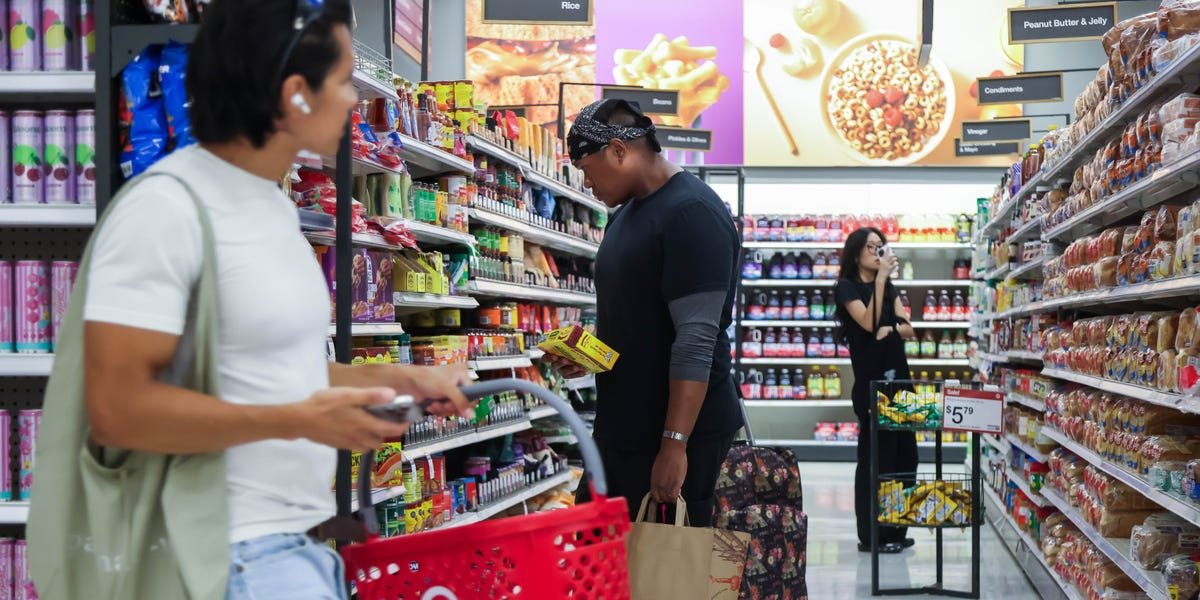
Here’s the products in your shopping cart that could be set to get more expensive in the coming months.
Groceries

: Jeffrey Greenberg/Universal Images Group via Getty Images
Personal care and beauty
: Jeffrey Greenberg/Universal Images Group via Getty Images
Prescriptions and healthcare
Bloomberg/Getty Images
Clothes and shoes
Gary Hershorn/Getty Images
