
Unlock the Editor’s Digest for free
Roula Khalaf, Editor of the FT, selects her favourite stories in this weekly newsletter.
Merck shares tumbled after the drugmaker said it was halting shipments of a top-selling vaccine to China to help a key local supplier reduce excess inventory, hurting sales forecasts for one of its blockbuster medicines.
In results published on Tuesday, the pharmaceutical group forecast full-year sales of between $64.1bn and $65.6bn in 2025, broadly flat compared with $64.1bn of sales last year and less than consensus expectations of $67.3bn.
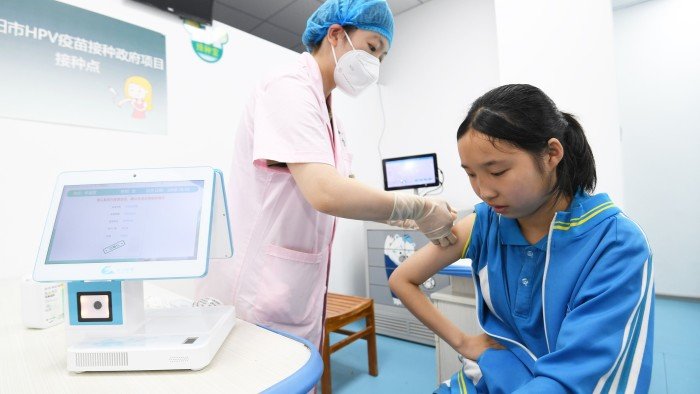
Merck blamed the lower than expected forecast on the decision to pause shipments of its Gardasil vaccine to China until at least mid-year. Gardasil is given to patients to prevent human papillomavirus, which is linked with cervical cancer.
The pause on shipments “will facilitate a more rapid reduction of excess inventory and help support the financial position of its important and trusted partner”, Merck said in a statement. It also projected earnings per share of between $8.88 and $9.03 for 2025, below Wall Street expectations of $9.19.
Merck stressed, however, that its action on Gardasil in China did not “in any way diminish the confidence Merck has in the business”. The vaccine is its second-highest-selling product behind cancer drug Keytruda.
Shares in Merck dropped more than 11 per cent in morning trading in New York, leaving it on track for its biggest fall since 2008, according to FactSet data.
Worries about its Gardasil business have hung over the stock since last summer when an unexpected drop in sales led to a sharp sell-off in its shares.
The sales growth in newly launched hypertension drug Winrevair, which Merck acquired in 2021 in an $11.5bn acquisition, was also more tepid than expected, generating just under $420mn last year.
Merck’s shares are down 30 per cent over the past year as the company has grappled with how to replace revenues from Keytruda, which generates $29.4bn a year in sales and is set to lose exclusivity by the end of the decade.
Rival pharma group Pfizer also announced full-year earnings on Tuesday, reporting 2024 revenues of $63.6bn and reaffirming its sales forecasts for 2025 of $61bn to $64bn.
The results from two of the biggest US drugmakers come as executives and investors across the sector await a key US Senate vote on the confirmation of vaccine sceptic Robert F Kennedy Jr as US health secretary.
In a series of Senate hearings, Kennedy has been grilled about his views. He has also been quizzed about his financial interest in a vaccine safety lawsuit targeting Gardasil, which he has since relinquished.
