
By Timothy Aeppel
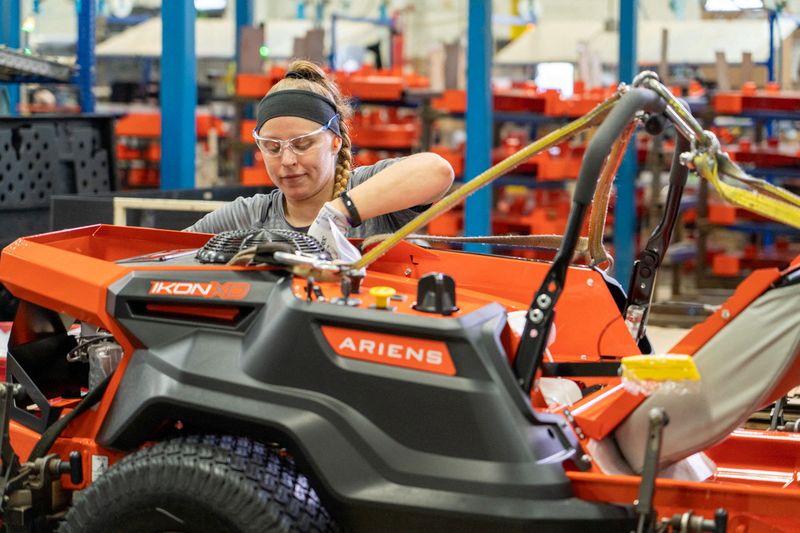
(Reuters) – Dan Ariens laid off workers, cut shifts, and halted nearly all hiring last summer after sales slumped at his company, best known for making bright orange snow blowers and lawnmowers sold around the world. Headcount fell 20% to 1,600 people, and he doesn’t see business improving until 2025.
The experience of the Ariens Company, a fourth-generation family-owned firm in Brillion, Wisconsin, shows the stark contrast between U.S. factory employment – essentially flat-lining for more than a year – and the four-year boom in the wider job market.
President Joe Biden’s industrial policy, headlined by legislation passed in 2022 that sparked a surge of factory construction, is aimed at boosting semiconductors, electric vehicles and green technologies, as well as other sectors.
As the presidential campaign shifts into higher gear ahead of November’s election, Biden is touring factories to tout his accomplishments, especially to voters in battleground states.
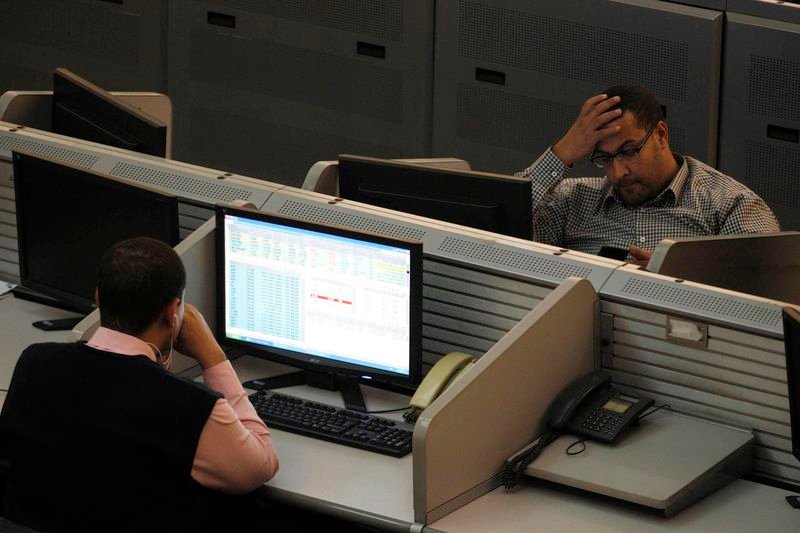
Even as construction is booming and some segments of heavy industry continue to hum, such as those that supply goods for government-funded infrastructure projects, the larger outlook for jobs in manufacturing is weak. Economists mostly attribute that to a combination of high interest rates, a slowing economy, and the end of the COVID-19 demand surge for many kinds of manufactured goods.
The Biden administration contends it’s too soon to see the full fruits of its efforts. It takes about six to eight quarters for manufacturing investments to translate into factory jobs, a member of the White House Council of Economic Advisors told Reuters in an interview. And as the Federal Reserve moves to cut interest rates, which is expected later this year, more jobs will follow.
“If you look in different pockets of the country – in North Carolina or Georgia – companies are already hiring before they’re breaking ground,” said Elisabeth Reynolds, a Massachusetts Institute of Technology manufacturing and economic development researcher, who previously served on Biden’s National Economic Council. “That’s a sign of things to come.”
For now, Deere (NYSE:) & Co, Whirlpool Corp (NYSE:), 3M Co and other large producers have announced layoffs, though for the most part the reductions have been targeted rather than the recent mass cutbacks in technology.
Many factories have opted to curb or eliminate hiring. Kondex Corp., a 280-employee producer of blades used mostly on farm machinery, not long ago was paying three times its normal pay rate to bring in workers from as far away as Georgia, putting them up in hotels near its Lomira, Wisconsin, plant.
That’s long over. Kondex’s President Keith Johnson said he expects attrition to cut headcount by about 5% this year without layoffs.
COMPOUNDED IMPACT
The impact of hiring freezes and targeted cuts is compounded when they occur at multiple locations in rural areas and small towns. Deere last month said it would cut 150 workers at its sprawling campus in Ankeny, Iowa – a relatively small hit in a factory that employs about 1,700 people. Just days later Tyson Foods Inc (NYSE:) said it would close a nearby pork-packing plant, leaving 1,200 workers jobless.
Manufacturing’s share of U.S. employment accounted for roughly a third of all jobs after World War Two. It has been in steady decline for decades as the economy re-oriented around services and as efficiency improvements and automation meant fewer bodies were needed on production lines. More recently, U.S. manufacturers faced increased competition from China and other cheaper sources of production.
The erosion in factory jobs had leveled off in the run-up to the COVID-19 pandemic but resumed in late 2022 after the binge in goods consumption faded.
Since late 2022, factories have accounted on average for just over 2,000 of the nearly 250,000 jobs of all types added monthly. In February, factory work fell to a record low 8.2% of U.S. employment, a 13.8 point drop from the 1979 peak of 22%.
Data from the Institute for Supply Management this week showed manufacturing employment contracted for a sixth straight month in March, an unusually long run outside of a recession.
To be sure, manufacturing jobs and output can grow with the aid of new technologies while also becoming a smaller share of the total economy – because other parts of the economy have grown even faster.
For Jason Andringa, the chief executive of Vermeer, a Pella, Iowa, machinery maker with 4,500 employees which is still hiring, the job market comes as a relief. “We can be more selective now,” he said.
JOBS ON THE HORIZON
Scott Paul, president of the Alliance for American Manufacturing, a group that promotes domestic producers, said the boom in factory construction is creating jobs for builders and those producing materials they need, including cement and steel.
“The actual factory jobs that will come from all of this are still down the road,” he said, “A lot of it will be in 2025 and out.”
Paul said the job picture could be worse. After the extreme labor shortages during the pandemic, many employers have been hesitant to shed workers. “There’s a different philosophy in the sector compared to what they did years ago,” he said.
Ariens Company, the lawnmower maker, is an example. While shrinking its headcount, for three months last year the company required workers to take one week off for every week they worked.
The company’s CEO said this helped avoid further layoffs. Workers earned roughly the same as they would have gotten from unemployment insurance during this time and kept their health insurance.
Office workers and those in distribution jobs continued working full time.
As a privately owned business, Ariens Company doesn’t face the same pressures to cut costs to get through a slump. The CEO acknowledged these efforts hurt profits.
Then there’s the weather. Ariens said two winters of light snow in the Eastern U.S. and summer droughts added to the sales slump. “We’re different in that weather affects as much, if not more than the economy,” he said.
