
President Donald Trump has boasted about strengthening the US economy since returning to the Oval Office. Meanwhile, millions of Americans say they’re struggling to afford food, rent, and other basic necessities.
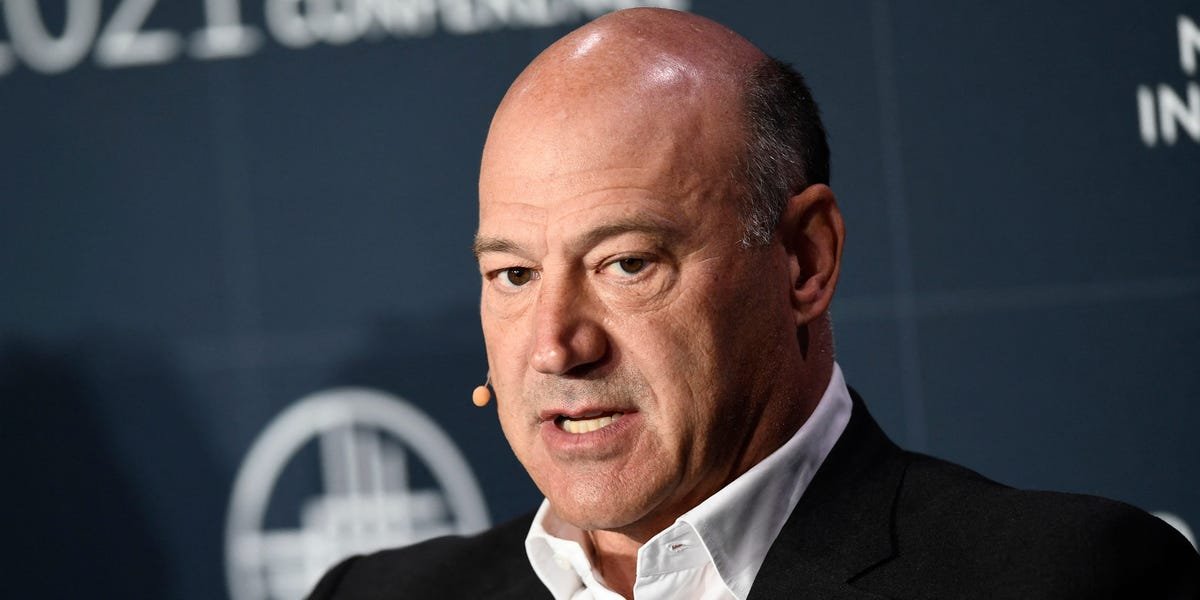
Gary Cohn, Trump’s former chief economic advisor, said both these realities are true right now in America.
“If you look at gross domestic product, which is the overall output of the US economy, we’re trending about 5% right now, which is a very high growth rate in the United States,” Cohn said on CBS’ “Face the Nation” on Sunday.
Cohn, who is now IBM’s vice chairman, also cited promising trends in inflation and unemployment rates.
However, those numbers don’t give the whole picture.
“That said, we’ve got an interesting economy,” Cohn said. “We have a massive wealth effect at the top end, and we have got hardworking Americans having a very difficult time paying their bills, and they are suffering in this economy.”
That’s why, Cohn said, the Trump administration is making affordability a key issue going forward.
“The White House is going on the offensive. The president is going to spend time out on the road talking about affordability,” Cohn said. “Affordability will be the issue between now and the mid-term elections.”
The widening gap between wealthy and lower-income Americans is often described as a “K-shaped economy.” That’s when people at the top see profound economic growth, while those at the bottom, who are more sensitive to economic shifts, face financial stress. Some economists have cautioned that a K-shaped economy portends bad days ahead.
“A silent majority of consumers is increasingly strained by a two-year affordability crisis and elevated borrowing costs,” Gregory Daco, a chief economist at EY, said in a recent LinkedIn post. “Slower income growth is pushing many upper-median, median, and lower-income families to draw down savings and rely more heavily on credit to sustain their habits.”
The chief economist of RSM, Joe Brusuelas, said in a recent briefing that the US would need to undergo policy shifts to reshape the economy, but that likely won’t happen in 2026.
“When I take a look at the policy landscape, it’s all tilted toward the upper spur of the K,” he said. “So I’m expecting a further widening of that fundamental inequality in coming years.”
