


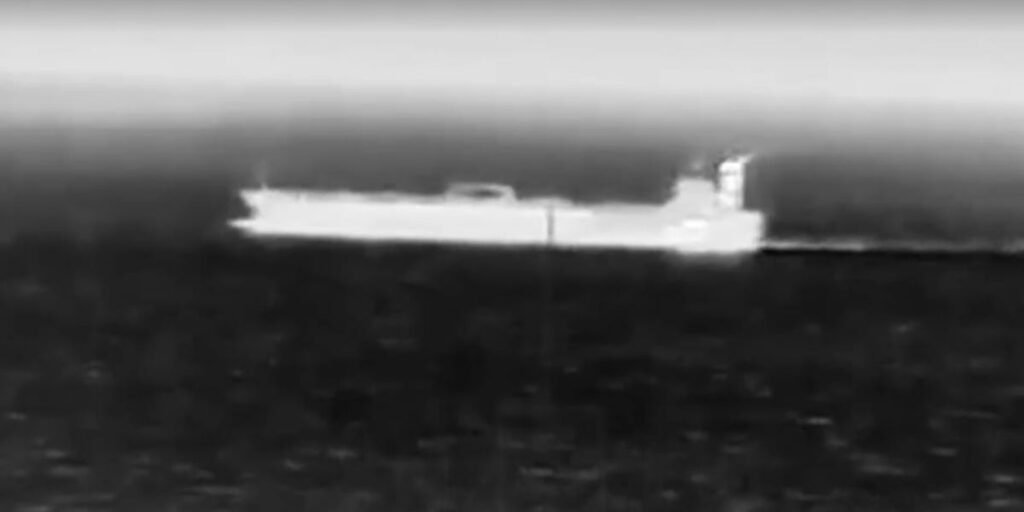
Ukrainian forces used long-range drones to strike an oil tanker said to be part of Russia’s “shadow fleet” in the Mediterranean Sea for the first time, a security source told Business Insider on Friday.
The attack, carried out over 1,240 miles from Ukrainian territory, represents a dramatic expansion of Kyiv’s push to target Russia’s vast energy sector, a key source of revenue fueling its war machine.
Ukraine had previously limited its attacks to land-based targets, such as oil refineries and port infrastructure. In recent weeks, though, it has begun striking tankers in the Black Sea and facilities in the Caspian Sea — and now it’s hitting targets in the Mediterranean.
A source in the Security Service of Ukraine, the SBU, called the drone attack an “unprecedented special operation” that targeted and critically damaged the tanker Qendil. The source was only authorized to speak on the condition of anonymity to discuss military developments.
The SBU source said the Qendil wasn’t carrying any oil cargo at the time of the attack, so there isn’t any risk to the environment. Footage shows several explosions on the exterior of the tanker.
Publicly available ship-tracking data show that the Qendil was sailing under the flag of Oman. It’s unclear when the attack took place; the vessel last reported its location on Friday sailing off the coast of Libya in the eastern Mediterranean.

Every time Jake publishes a story, you’ll get an alert straight to your inbox!
Stay connected to Jake and get more of their work as it publishes.
Neither Russia’s defense ministry nor its US embassy immediately responded to a request for comment on the attack.
Ukraine has attacked at least four tankers, including the Qendil, that have been identified as belonging to the “shadow fleet” since late November. There are hundreds of vessels in the fleet, which Moscow relies on to transport oil and circumvent sanctions on its energy exports.
Russia used the Qendil “to circumvent sanctions and earn money that went to the war against Ukraine,” the SBU source said in translated remarks shared with Business Insider, calling the ship a “legitimate target” for the SBU.
The enemy must understand that Ukraine will not stop and will beat him anywhere in the world, wherever he is,” they added.
Since August, Ukraine has stepped up its use of long-range drone strikes to target Russian energy infrastructure in an effort to squeeze a key source of revenue for Moscow. While the campaign initially focused on land-based facilities, Kyiv has recently expanded it to maritime targets, hitting oil tankers in the Black and Mediterranean seas and striking three oil platforms in the Caspian Sea.
The expansion to maritime targets appears to reflect a shift in Kyiv’s strategy as it continues to press its international partners to be more aggressive in clamping down on Russian oil exports.
Ukrainian officials have described the ongoing deep-strike campaign as “long-range” sanctions against Moscow. These operations have been a bright spot for Kyiv as it faces incremental — but costly — Russian gains on the battlefield.