



Author
Ahmed Balaha


Author


Share


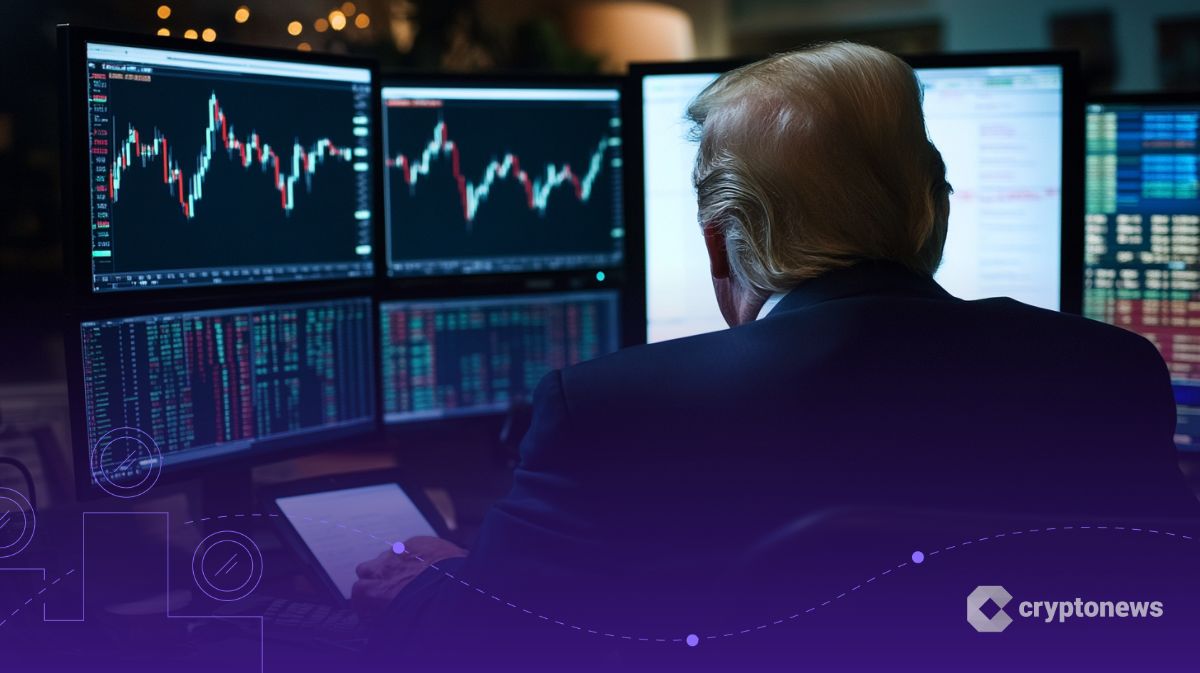
President Trump has rescheduled his planned Beijing state visit to May 14–15, 2026, after the escalating Iran conflict forced the White House to pull its diplomatic bandwidth away from US-China diplomacy and toward managing a rapidly deteriorating Middle East crisis. The postponement puts the 2025 trade truce – the architecture holding tariff ceilings and tech export frameworks in place since October – under immediate structural stress.
Beijing’s response has been blunt. Chinese officials, according to reporting by Modern Diplomacy, are operating at what sources describe as “low expectation and zero enthusiasm,” with internal frustration mounting over what they characterize as a pattern of US-initiated delays on high-level engagement. That framing matters because a trade framework without a summit to anchor it is just a handshake agreement – and handshakes expire.
- Postponement Trigger: The Trump Beijing Visit has been rescheduled to May 14–15, 2026, with the White House citing the Iran conflict and Strait of Hormuz volatility as the primary cause for pulling the President’s travel calendar.
- China’s Response: Beijing officials are signaling frustration, describing the delay as part of a pattern of US sidelining – a posture that directly threatens the stability of the Trade Truce 2026 framework negotiated at the October 2025 Busan summit.
- What to Watch: Whether White House planning for the Beijing trip solidifies ahead of May 14, and whether tech CEO intervention keeps EV battery and AI chip supply chain talks on the summit agenda despite the Iran-driven distraction.
Discover: How Iran Deadline Extension Is Weighing on Bitcoin and Risk Assets
What the Beijing Delay Actually Means for Trade Truce 2026
The October 2025 Busan meeting between Trump and Xi – a 90–100 minute session that Trump rated “12 out of 10” – was always understood as the opening act, not the deal itself.
The Beijing state visit was supposed to be the closing ceremony: bilateral commitments on EV battery manufacturing quotas, AI chip export ceilings, and reciprocal tech supply chain disclosures that Busan outlined but never formalized.
None of that gets done over a phone call. The May postponement doesn’t just push dates – it compresses the negotiating window at precisely the moment that Strait of Hormuz disruptions are already squeezing maritime supply chains that run through both US and Chinese manufacturing ecosystems.
Internal leaks cited by Modern Diplomacy describe White House planning for the trip as “scattershot,” with several high-profile tech CEOs reportedly attempting to intervene and keep trade interests on the agenda despite the administration’s Iran-driven distraction.
That is not a healthy diplomatic posture heading into the most consequential bilateral summit of 2026.
The Iran conflict’s direct market mechanics compound the problem. Geopolitical risk-off pressure has already driven BTC below key support levels, as elevated Treasury yields and energy price uncertainty push institutional capital away from risk assets.
A prolonged diplomatic vacuum between Washington and Beijing – two economies accounting for roughly 43% of global GDP – deepens that risk repricing across equity, commodity, and crypto markets simultaneously.
Beijing’s “forever wait” framing is a negotiating signal, not just a complaint. Chinese officials are telegraphing that patience for US-China Diplomacy has a price, and that price is being paid in eroding confidence in the Trade Truce 2026 architecture.
Discover: BTC USD Price Action Under Geopolitical Pressure
What to Watch Before May 14
The critical variable is whether the Iran conflict produces a durable ceasefire or negotiated pause before the rescheduled Beijing dates. If Strait of Hormuz tensions de-escalate sufficiently for the White House to shift diplomatic attention eastward, the May 14–15 summit window holds – and markets will read that as a stabilizing signal for risk assets tied to US-China trade continuity.
If the Iran conflict runs past April with no resolution in sight, the Trump Beijing Visit faces a second postponement. A second delay would almost certainly fracture the goodwill built at Busan and hand Beijing’s skeptics the political argument they need to slow-walk the Trade Truce 2026 implementation. Watch specifically for whether US tech sector lobbying produces any concrete agenda items in White House briefings before May 1 – that’s the deadline by which summit logistics need to be confirmed to hold the May dates.
The summit is still on the calendar. But a calendar entry and a functioning diplomatic framework are not the same thing. Right now, only one of those exists with confidence.