


“Government” might sound ineffective and wasteful in the abstract. But Americans will miss it when it’s gone.

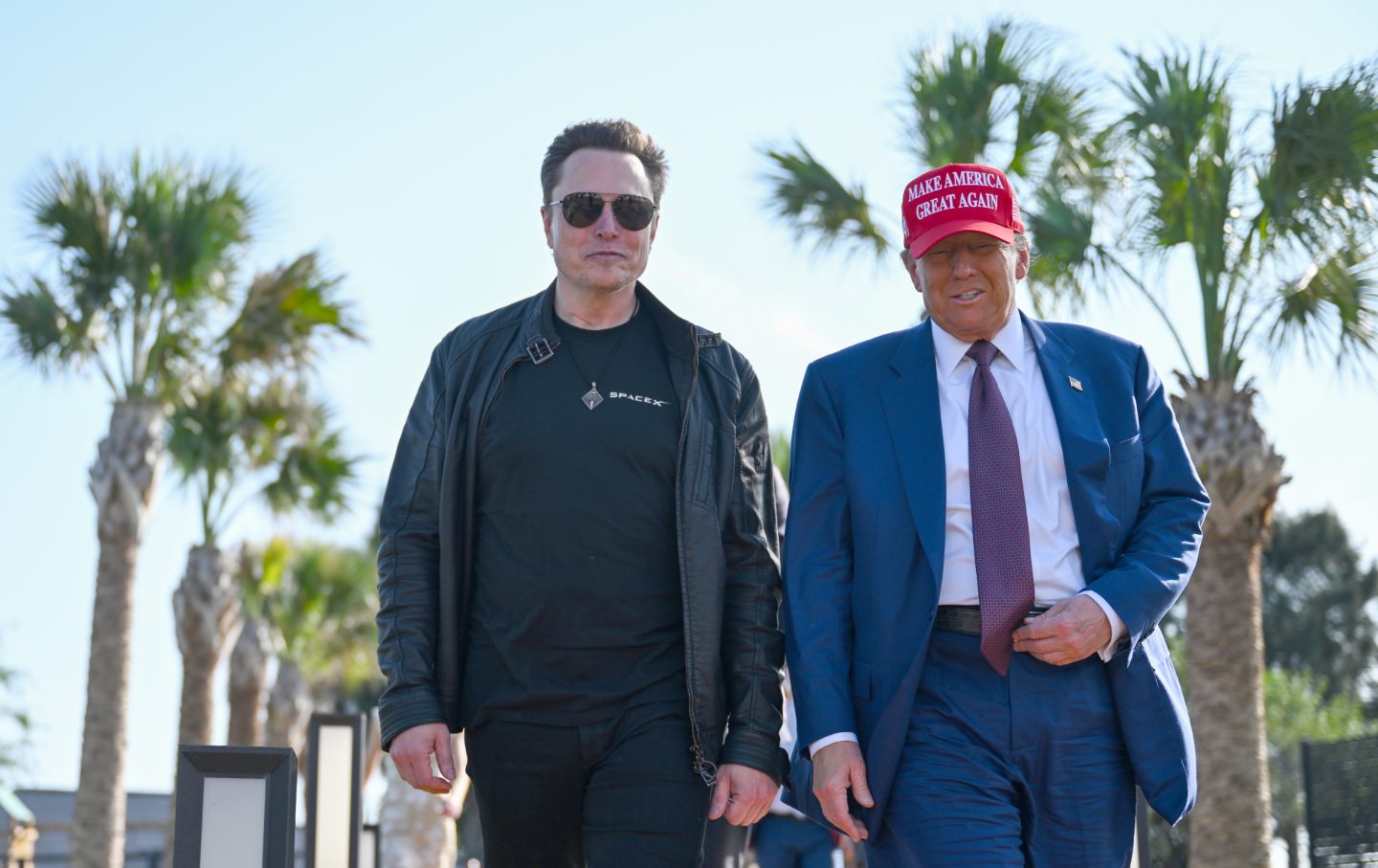
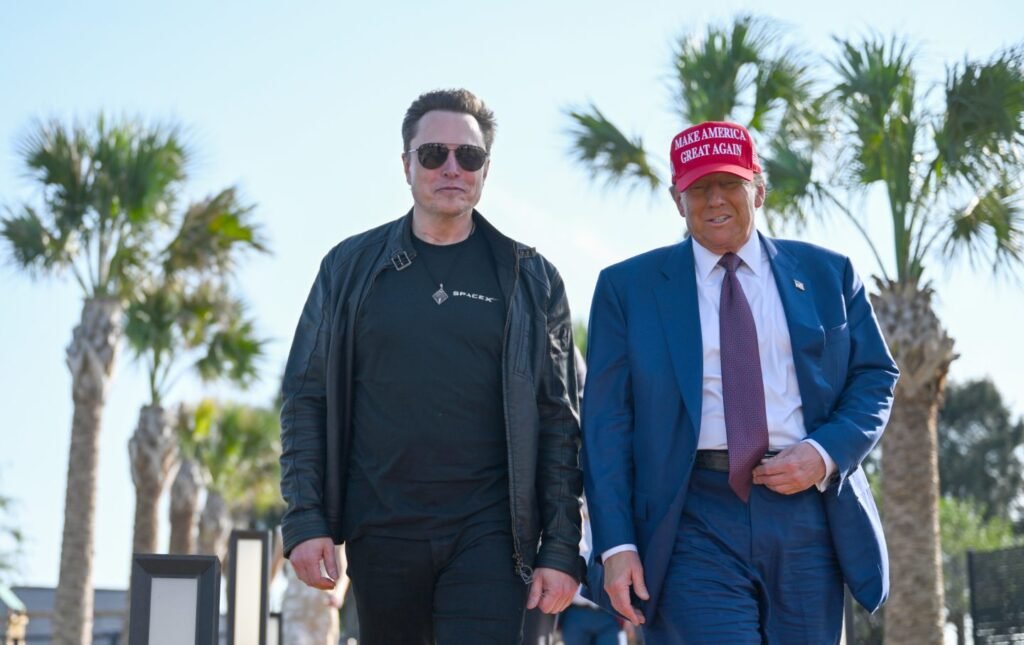
Shortly after being reelected president, Donald Trump chose two close supporters, Tesla CEO Elon Musk and former Republican presidential candidate Vivek Ramaswamy, to create an advisory commission called DOGE (formally the Department of Government Efficiency), named after an Internet meme that’s the face of Musk’s favorite cryptocurrency, tasked with finding ways to cut spending and roll back regulations. The effort will sit outside of government—the president can’t create a new department by himself—and won’t have the power to actually make cuts, since that’s reserved for Congress. Even so, Musk has promised to slash at least $2 trillion from the $5.4 trillion that the government spends each year (excluding the interest the government pays on its debt). Trump has vowed to preserve Social Security and Medicare, which account for nearly $1.5 trillion each. So Musk’s promise means eliminating nearly everything else the government does, including defense spending. By convening a panel like DOGE and throwing around big numbers, Musk, Trump, and Ramaswamy are sending a clear message: The government is wasteful and unnecessary. Musk and Ramaswamy haven’t offered many specifics on what they will target, but if and when the cuts begin, those missing details will come into stark relief. “Government” in the abstract might sound bland at best or malicious at worst. But Americans will miss it when it’s gone.
Do you like breathing air and drinking water? The Environmental Protection Agency makes sure that corporations can’t belch chemicals into the air without consequences or dump them into our groundwater. Remember acid rain? It was a huge problem until the EPA began to regulate it in the 1990s, and then it all but disappeared.
Do you enjoy eating food and taking medications that don’t make you sick? Getting rid of the government means getting rid of the Food and Drug Administration’s power to make sure drugs are safe before they go on the market. It would eliminate the Department of Agriculture’s oversight of food processing, which makes sure our produce and meat aren’t covered in feces or riddled with pieces of metal.
Do you like commuting to work on highways that don’t have gaping potholes and over bridges that don’t collapse? Do you enjoy flying in airplanes that don’t crash into each other in midair? You can thank the Department of Transportation, which doles out money to maintain and improve infrastructure and oversees the air traffic control system. Last year, at least 10 major bridges in poor condition were repaired. There hasn’t been a fatal airplane crash involving a major American airline in 15 years—the longest stretch on record.
Do you like being paid fairly once you get to work and being protected from dying on the job? The Department of Labor makes sure employers pay at least the minimum wage, don’t skim off the top by taking tips or wrongly deducting from pay, and cough up extra money for overtime hours. Over the past four years, the department has gotten more than $1 billion in stolen wages paid back to workers. The Occupational Safety and Health Administration (OSHA) is the only body tasked with preventing employers from cutting corners that lead to avoidable sickness, injury, and death on the job. Since it was created in 1970, daily workplace deaths have declined by 60 percent and injuries and illnesses by 75 percent.
Musk has floated an idea to “delete the CFPB,” or Consumer Financial Protection Bureau, calling it “duplicative.” On the contrary, the CFPB is solely responsible for getting billions of dollars back into consumers’ pockets. Since it was formed in 2011, it has secured over $21 billion in restitution for more than 205 million consumers in the form of compensation, debt reduction, and other relief. The bureau has taken action against junk fees that get larded onto bank accounts, ferreted out faulty information in credit reports, ensured that lenders adhere to nondiscriminatory practices, and cracked down on shady debt collectors. It secured full restitution for the victims of Wells Fargo’s fake accounts scandal.
Current Issue

There are countless other examples of government protections that Americans take for granted every day, not to mention benefit programs that help them stay afloat. Does the government carry out all of these duties flawlessly? Absolutely not. But the typical reason for poor performance is a lack of sufficient funding, not corruption or incompetence. OSHA’s head count has dwindled so much that its inspectors are rarely able to set foot in most workplaces. An uptick in close calls at airports lately stems from chronic understaffing of the air traffic control system. The USDA’s food inspection division has long dealt with staffing shortages.
These are not the problems that Musk and Ramaswamy intend to fix. Instead, their mandate is to take a blowtorch to the federal bureaucracy. It’s far from clear what, if anything, they can accomplish; many such commissions have been convened in the past with little to show for their efforts. But perhaps the point is to sow distrust in the idea of government. When they talk about “waste and fraud,” remember the details of the agencies and programs that they’re talking about. Could you really do without them?
With a hostile incoming administration, a massive infrastructure of courts and judges waiting to turn “freedom of speech” into a nostalgic memory, and legacy newsrooms rapidly abandoning their responsibility to produce accurate, fact-based reporting, independent media has its work cut out for itself.
At The Nation, we’re steeling ourselves for an uphill battle as we fight to uphold truth, transparency, and intellectual freedom—and we can’t do it alone.
This month, every gift The Nation receives through December 31 will be doubled, up to $75,000. If we hit the full match, we start 2025 with $150,000 in the bank to fund political commentary and analysis, deep-diving reporting, incisive media criticism, and the team that makes it all possible.
As other news organizations muffle their dissent or soften their approach, The Nation remains dedicated to speaking truth to power, engaging in patriotic dissent, and empowering our readers to fight for justice and equality. As an independent publication, we’re not beholden to stakeholders, corporate investors, or government influence. Our allegiance is to facts and transparency, to honoring our abolitionist roots, to the principles of justice and equality—and to you, our readers.
In the weeks and months ahead, the work of free and independent journalists will matter more than ever before. People will need access to accurate reporting, critical analysis, and deepened understanding of the issues they care about, from climate change and immigration to reproductive justice and political authoritarianism.
By standing with The Nation now, you’re investing not just in independent journalism grounded in truth, but also in the possibilities that truth will create.
The possibility of a galvanized public. Of a more just society. Of meaningful change, and a more radical, liberated tomorrow.
In solidarity and in action,
The Editors, The Nation