


Good morning and welcome back. In today’s newsletter:
-
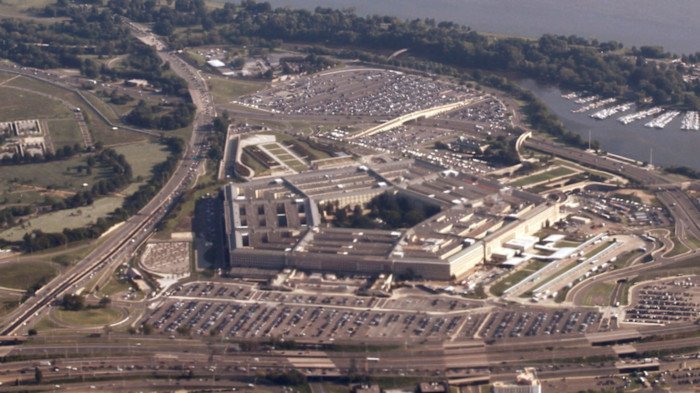
Pentagon eyes Ukrainian interceptor drones to counter Iran
-
Europe braced for Middle East refugee wave, says UN migration chief
-
How Pedro Sánchez became Donald Trump’s nemesis in Europe
-
The geopolitics of the global oceans treaty
We begin in Washington, where the Pentagon and at least one Gulf government are in talks to buy Ukrainian-made interceptors to fend off attacks by Iranian drones, according to industry figures in Ukraine.
Defence tech: Gulf states have been using expensive Patriot missiles to defend themselves from waves of Iranian Shahed drones since the US and Israel launched their war. But their stocks are declining and they are looking to Kyiv’s experience for cheaper protection options.
Ukraine has pioneered using mass-produced interceptor drones, costing a few thousand dollars apiece, to destroy Russian versions of the Shahed that have been used against its cities.
The latest: The Israel Defense Forces said early today that Iran had sent more missiles towards the county as the Middle East war entered its sixth day. The country foresees the joint operation with the US to destroy key capabilities of the Islamic regime will run for weeks.
Saudi Arabia also said its air defence systems had destroyed three cruise missiles near an air base. A tanker was also hit by “a large explosion” off the coast of Kuwait and there had been an oil spill, the UK Maritime Trade Operations said.
In Sri Lanka, authorities have retrieved 84 bodies and are searching for around 60 missing sailors after a US submarine torpedoed an Iranian naval vessel in the Indian Ocean yesterday.
The White House said Donald Trump had a “feeling” Tehran was going to attack US interests, a stance criticised by Iran’s foreign minister. The comments came as the US Senate voted down an effort to prevent the president from taking further military action in Iran without congressional approval.
Market reaction: Oil prices renewed their climb in Asia early this morning as US and Israeli officials indicated the war with Iran would continue.
Brent crude, the international benchmark, rose 2.5 per cent to $83.51 a barrel during early trading in Asia.
Follow our live blog for developments as they unfold.
-
Anti-regime forces: Iranian Kurdish armed groups are in talks with the Trump administration about whether they could play a role in operations against the Iranian regime.
-
Energy security: The bombing of Iran shows the perils of following America’s economic lead, writes Alan Beattie.
Here’s what else we’re keeping tabs on today:
-
Central banks: The European Central Bank publishes minutes from its last rate-setting meeting.
-
Results: Aviva, ITV and Reckitt Benckiser report earnings.
Join FT columnists Gideon Rachman, Kim Ghattas, Edward Luce and Katie Martin and foreign editor Alec Russell for a subscriber webinar event on March 11 to analyse the US military campaign in the Middle East and its implications for the global economy and markets. Register here.
Five more top stories
1. Exclusive: Europe is preparing for a potential rise in immigration from the Middle East due to the escalating conflict in the region, as countries try to avoid another wave of refugees to the continent, according to top UN migration official Amy Pope.
2. As Spain’s Prime Minister Pedro Sánchez warned that the US risked triggering a spiral of war with its “illegal” attack on Iran, he also delivered a pointed rebuke to Trump that no other European leader would dare to make. But some say he has made a miscalculation.
3. China has set a growth target for GDP this year of between 4.5 and 5 per cent, the lowest range in decades, and maintained a higher fiscal deficit as leaders warned of growing “difficulties and challenges” in the economy. Beijing’s next five-year plan will be released this week.
4. Exclusive: Nvidia has stopped production of chips intended for the Chinese market, betting that regulation in Washington and Beijing will continue to limit sales to China. Read the full report.
-
Chatbot-induced delusions: Large language models often prioritise agreeability over truthfulness to the detriment of users, writes Cristina Criddle.
5. Exclusive: A senior official with the UK’s NHS privately urged colleagues to add more patient data into a Palantir-built platform at the same time as he was being paid to advise the US technology company. Read more for details.
The Big Read


The global oceans treaty has been hailed as a diplomatic triumph over the governance of marine resources. But without US participation it will be difficult to police. Some worry it could become a vehicle to increase China’s influence over the high seas.
We’re also reading . . .
-
Graveyard shift: What are the reasons behind the move away from night-time jobs, asks Soumaya Keynes. A US study sheds some light on work after dark.
-
China spying arrests: The three men arrested yesterday on suspicion of spying for Beijing were advisers to the Labour Party, according to people familiar with the matter.
-
KPMG leadership: The Big Four firm has selected Gary Wingrove, the former head of its Australia business, as its next global chief executive.
-
Market Financial Solutions: A collection of small London-based accountancy firms was tasked with auditing the sprawling property lending empire.
Chart of the day
Europe is confronting the threat of another energy crisis amid the Iran war. Gas storage across the bloc is already less than 30 per cent full, according to data, with reserves in countries including the Netherlands, Sweden, Croatia and Latvia running especially low.
Take a break from the news . . .
What if AI just makes us work harder? Employees have reported increased momentum, but also a feeling of having more to do, writes Tim Harford.

