


Unlock the Editor’s Digest for free
Roula Khalaf, Editor of the FT, selects her favourite stories in this weekly newsletter.
Sales of Novo Nordisk’s obesity drug, Wegovy, rose by more than 50 per cent last year, helping send shares in Europe’s most valuable listed company almost 5 per cent higher.
The Danish drugmaker reported a 26 per cent rise in net sales year on year to DKr290bn ($40bn) in 2024, beating expectations. The uptick was driven by demand for its obesity and diabetes drugs, particularly in the US.
Sales of obesity treatments rose 56 per cent to DKr65.1bn. Shares in the group rose 4.6 per cent in early morning trading.
Lars Fruergaard Jørgensen, Novo Nordisk’s chief executive, said the company had now secured insurance coverage for Wegovy for about 55mn Americans with obesity, and the drug has been launched in more than 15 countries worldwide.
“Our strategic aspiration remains to build a portfolio of superior treatment options in obesity and focus on efficacy, safety and scalability,” he said.
Diluted earnings per share were up 22 per cent year on year to DKr22.63, slightly lower than the consensus forecast of DKr22.86.
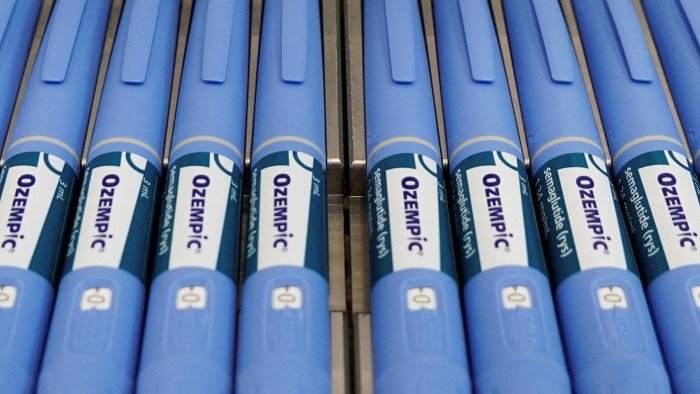
This year, Novo Nordisk expects total sales growth to slow to between 16 and 24 per cent, and operating profit to increase by between 19 and 27 per cent, both at constant exchange rates. Jørgensen said sales would be driven by growth in obesity and diabetes treatments, such as Ozempic, as the company increases manufacturing capabilities.
Analysts at Intron Health said the sales guidance for this year was “materially higher” than consensus. But some investors have been concerned about slowing growth, shown by weekly prescription numbers in the US. Jørgensen said that in the short term these could be affected by changes in insurance formularies at the start of the year and the availability of products.
Shares in Novo have fallen about 40 per cent since their highs last June, as investors have started to question the scale of the obesity drug market and whether specialist drugmakers are overvalued.
Novo briefly lost its position as the largest company in Europe to luxury goods group LVMH in choppy trading in January, before retaking the top spot later that month.
Novo disappointed the market at the end of December with late-stage trial data for its new drug CagriSema that did not meet the company’s target of 25 per cent weight loss. The news was taken to show Novo could not beat US rival Eli Lilly and wiped €90bn off its market capitalisation.
Jørgensen said on Wednesday that the data showed the drug “stacks up among the best products out there”.
Many trial participants chose not to increase their medication to the highest dose, prompting analysts to debate whether this was due to intolerable side-effects, or because they reached their weight loss goal.
Jørgensen said he believed it was because they felt they had lost enough weight, rather than a problem with side-effects. He added that the company had chosen this trial design so that people did not drop out of the study when they met their weight loss goal.
More recently, however, a positive result in an early stage trial of another of its obesity drugs, amycretin, sent its shares up as much as 13 per cent.