


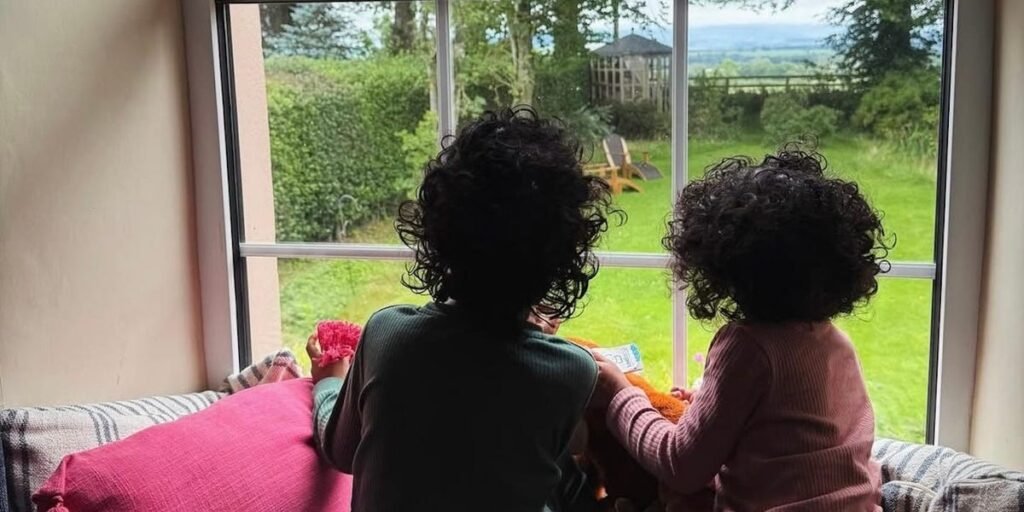
Children should be seen, not heard. Don’t be rude, give grandma a hug and a kiss. And at the top of the list, stop crying, or I’ll give you something to cry about.
These were constant rules I lived by growing up. Not that my parents were crazy strict, but they certainly lived by this tough love approach. I grew up holding in emotions, afraid to make mistakes or voice my opinion in fear of being disrespectful. I always believed this helped me to grow into the independent woman I had become.
I was always labeled as a good kid growing up. I know that I spent a lot of time being unhappy, afraid, and thinking that I was only lovable, only good when I behaved, and when I was quiet.
This is what I don’t want for my children.
Instead, I wanted to create a home environment where my kids weren’t afraid to ask questions, talk to me about things, and feel confident enough to stand up and say no when things felt uncomfortable for them.
But what I didn’t know was that parenting this way would not only challenge me as a mom but also as an individual.
Laying the groundwork
Millennial parents like me are the first generation of parents to raise children with the internet at our fingertips. The first generation to have the studies, research, and backing to support parenting in a different way. All of this information, combined with my own lived experiences of growing up with a tough-love mentality, made me want to give my kids a different childhood. Starting with emotional resilience, confidence, and independence.
As a first-time parent, I lived and breathed parenting manuals, sleep guides, and blogs written by child therapists and psychologists, all preaching the same message: that co-depedence breathes independence.

Courtesy of Alexis De Leaver.
I understood that for children to grow into secure adults, parents needed to consistently respond with calm, unconditional love and clear boundaries.
Want more Business Insider in your news feed?
Add BI in Google so our reporting is easier to find when you’re searching for what matters.
Putting this into practice, I soothed them when they woke up in the middle of the night. I held them when they reached for me, and I reread their favorite books again and again. I didn’t tell them to stop crying when they were upset, and I always tried to be present with them and not just scroll on my phone.
In all these small things, I tried to show them they were worth loving, no matter how they were feeling or acting at the time.
Then it got tricky
All too fast, my kids passed the toddler stage. Then instead of just going along with whatever plan I have, they’ve got opinions, they push back, and they’re not afraid of asking questions. My daughter, 3, is the queen of big feelings, and I cannot count the number of times she’s laid on the floor of the grocery store screaming because I won’t cave and buy her Paw Patrol cupcakes.
Managing this is not easy. It can be triggering, and at times, my first reaction is anger. But I know it’s because these are things that I would never have been allowed to do as a child, behavior my parents would have shut down right away.
I’m moving forward in my own way
I’m now allowing my children to have choices. I’m allowing them to get messy, make mistakes, and try new things out. I’m teaching them how to ask questions respectfully and how to stand up for themselves.
I’m teaching them how to hold space for all their feelings without suppressing them. But most importantly, when I lose my temper or snap at them because I’m human too, I repair with them. I apologize. I’m showing them that they are worthy of being treated with kindness and respect.
And yeah, maybe my kids aren’t the ones sitting quietly at the dinner table. But I tell you what, I go to bed knowing my kids feel safe and loved, and that’s good enough for me.