


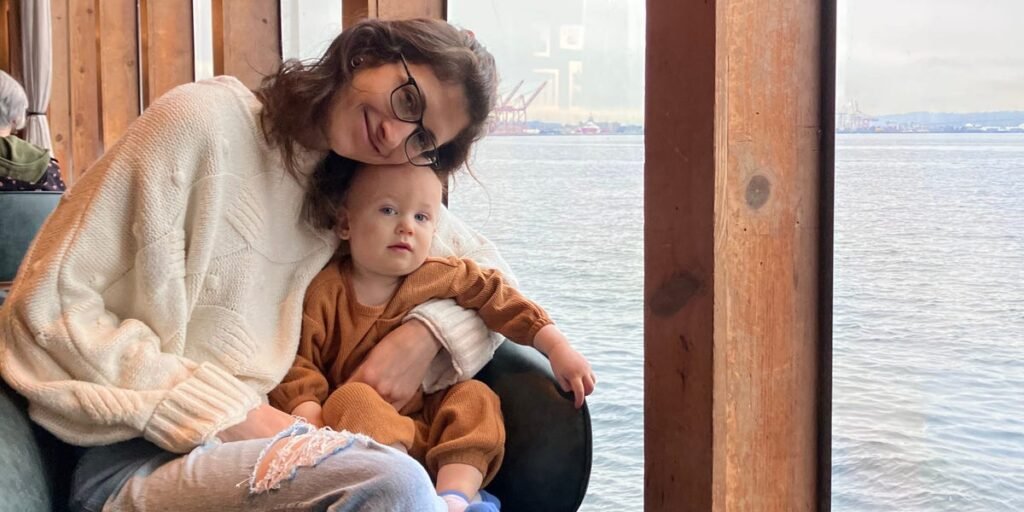
I’m in my early 30s, but in every place I’ve lived, many of my closest friendships haven’t been with people my own age.
I’ve lived in Los Angeles, Philadelphia, and now Seattle, and each move meant rebuilding my community from scratch. Making friends as an adult didn’t come easily for me. It often felt like people already had established circles, and breaking into them was always harder than I expected.
Over time, I started to notice a pattern. The friendships that came most naturally and lasted the longest weren’t with peers, but with women decades older than me.
In each city, I seemed to immediately click and connect with older women
Cheyenne Elwell
I met one of these friends in Los Angeles through my job. She was my manager at the university where I worked, and she lived within walking distance of my apartment, so our relationship quickly grew beyond the office.
Even after I moved, we stayed in touch and eventually became pen pals, something I still treasure.
In Philadelphia, I met a woman through a professional group who also lived nearby. Having both proximity and a shared line of work made it easy for our friendship to take shape, and she quickly became one of my most meaningful connections in the city.
By the time I moved to Seattle, I noticed the pattern repeating itself. I met one of my closest friends through my church. Despite our age gap, we connected almost immediately — perhaps because we share a similar quiet nature.
What started as a simple coffee invitation turned into one of my most consistent friendships here.
Looking back, what stands out most is how naturally these relationships developed compared to the friendships I tried to build with people my own age.
These intergenerational friendships offered stability and perspective I struggled to find elsewhere
In each new city, these friends gave me a sense of steadiness. Many of my younger peers in Seattle eventually moved away for new opportunities or to be closer to family, which is often part of that stage of life.
My older friends, on the other hand, were more rooted in their communities and have remained part of my life even after I moved on.
They’ve also been present during some of the biggest transitions in my life. In Los Angeles, one friend was there through the early years of my career and saw my relationship with my now husband from the beginning, eventually celebrating with us at our wedding.
In Philadelphia, a close friend collaborated with me on projects that helped grow my career and introduced me to others in her network. Even after moving, I’ve made a point to see both of them in person, which says a lot about the kind of bond we built.
Now, as I navigate motherhood, my friend in Seattle offers a different kind of perspective. Even though she isn’t a parent herself, she’s been a steady presence in my life and reminds me to maintain my independence and not lose myself entirely in the role.
They also helped fill the gap of living far from my family
Cheyenne Elwell
After moving out at 18, I felt a distance from the kind of close, everyday family connection many of my peers seemed to have. There was no tension between my family and me — it simply felt like it was my time to leave home.
Still, even when I lived just a couple of hours away in college, I sometimes wished I could drop in and see my mom the way some of my friends could.
That feeling became more noticeable when I moved farther from Wisconsin to Los Angeles. Looking back, I sometimes wonder if that’s part of why I connected so easily with my Midwestern-born manager there. She had a warmth that reminded me of home.
Over time, I realized these friendships helped bridge that distance in a way I hadn’t expected. They were never a replacement for my family, but they offered a version of the closeness I sometimes missed.
In every city I’ve lived in, those friendships have made starting over feel a little less lonely.